Tell-Tale Signs of Storm Damaged Roof
What is a house without a roof? It’s one of the major components that make your home safe and comfortable to live in. It shields you from the harmful elements, improves your home aesthetic (depending on the design) and completes the structure of your house. A damaged roof removes all these comfort and lessens the aesthetic value of your house. Immediate repair should be done to maximize these benefits and make your home suitable to live in. Here are 5 major red flags to look-out when identifying the cause of your damaged rooftop:
- Damaged and/or Missing Shingles + Discolored Shingles
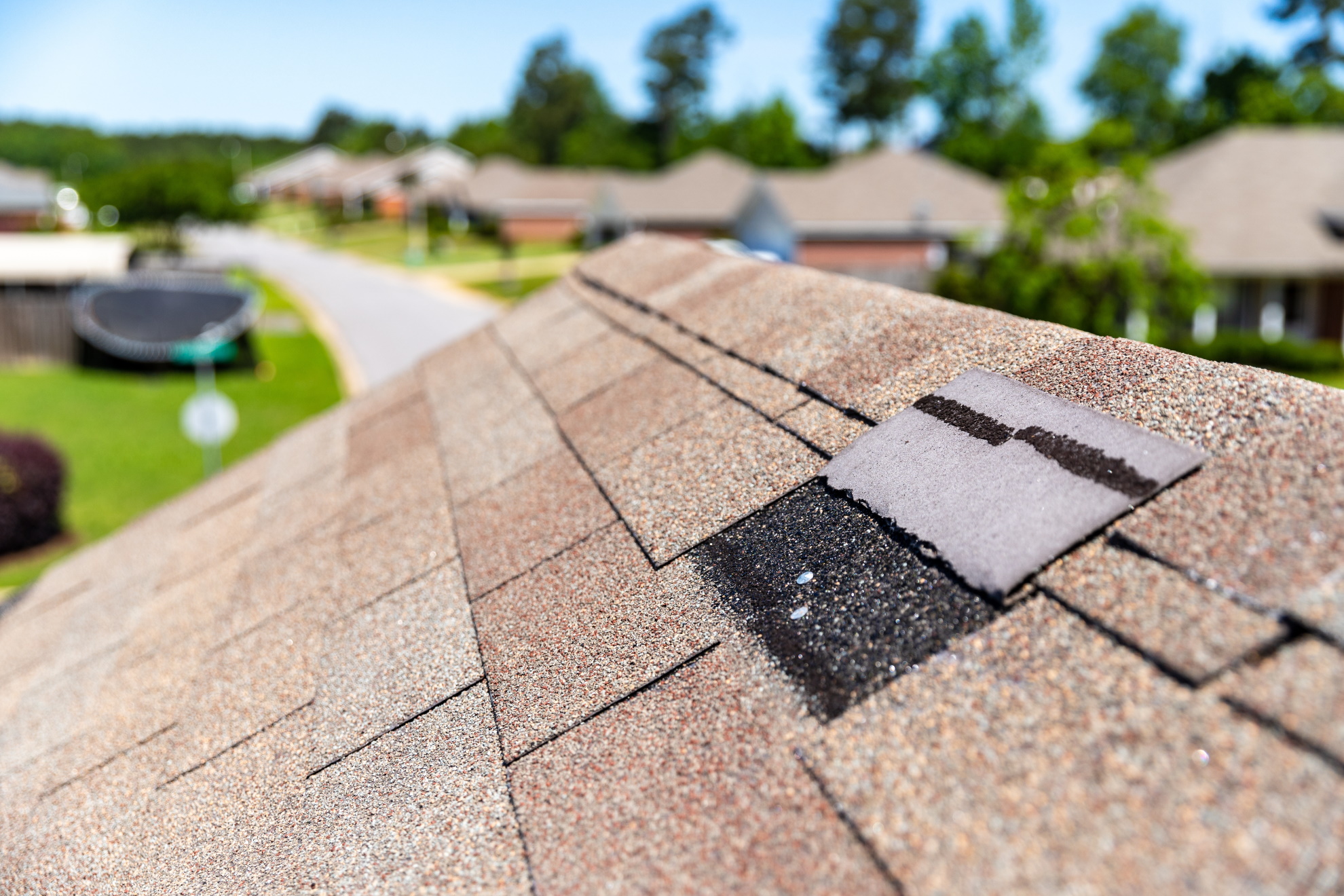
One the typical red flag of a storm damaged roof are damaged (or missing) shingles. During a storm, these can come loose or entirely come off when saturated with water. This can occur whenever there are rainstorms or hail storms since high winds can trigger the shingles to entirely come off your roof — especially if prior the storm your shingles were already cracked or peeling. On post-storm inspection, it is noticeable when you spot patchy areas on your rooftop and could be spotted during a ground inspection around your property.
It is important to remember that shingles deteriorate with time – there may be curling, discoloration, and/or it will go missing. Although it may not be as alarming as having your entire roof missing, when ignored, it could cause severe damage. It is important to keep it in shape, having it routinely checked, and replaced when needed (and not only after a storm).
- Damaged or Missing Flashing
Aside from shingles, damaged or missing flashings should also be noticed when your roof has been damaged by the storm. Flashings are the materials that cover the seams of the roof and can be spotted around your chimney. This thin sheet of metal helps preserve your interior by avoiding water leakage. During a storm, the flashing could come off or be wrecked. High speed winds could cause fittings to lift, and if it is broken or missing, this can result in water leaking to your home’s interior and causing damage.
- Water Leak in the interior
One obvious red flag is water leakage. Indoor leaks occur when a portion of your roofing has been damaged (or went missing) – either from missing flashing or shingles – this could be the first thing that you would notice when you are on the interior of your home hiding from the storm. It may appear as a water stain on your ceiling or may drip from your ceiling to your floor.
- Damaged and/or Clogged Gutters
Gutters are what direct water away from your home. During a storm, natural debris — such as leaves and branches — could end up in your gutters. It accumulates and clogs it. When clogged, water cannot drain properly and when left untreated, it could result in water seeping into your interior and damage it. During Intense storms, this could also result in having your gutters wrecked – thus, the need to replace it. To maximize your gutters, have it routinely checked and cleaned. To prevent interior damage, have it replaced when cracked or damaged.
- Broken and/or Missing Siding
After an extreme weather occurrence, it is natural that we proceed to check if there is any damage inflicted to our home. One of the possible damages is missing sidings or boards to your house. It is possible that your siding will be cracked, a piece of it will be chipped off, or there will be holes due to the impact left by natural debris or hail (during a hailstorm).
The damages on the siding could often appear as: a dent which is shaped like a semi-circle or an arc, chipped panels or paints, horizontal cracks on the panel, and/or punctures around the lower-part of the panel.
Other red flags to help you spot that your roofing were damaged during a storm:
- Wet Attic
When doing a post-storm inspection, do not forget to include the interior of your attic. It is possible that there will be moisture build-up due to water-leakage. This will be a major red flag and a tell-tale sign that your roof is failing or is damaged due to the storm.
If your house does not have an attic, check your ceiling for any sign of water-leakage. When moisture is spotted, with or without an attic, immediately addressing the issue could help prevent further damage. Keeping your interior safe from external elements and making your home comfortable to live in.
- Tree Limbs (and/or Other Natural Debris) Wreckage
This sign would be impossible to ignore – an obvious proof that your roof was damaged during a storm is having huge natural debris, such as a part of a tree, flown to your roof due to intense wind and causing structural damage. The impact could break shingles, poke holes, and dent your sidings that cause wreckage to your rooftop.
A damaged rooftop after extreme weather is bound to happen. However, if your roofing was already in poor condition prior to the incident, it could not be counted as storm damage. It is highly important that you conduct regular inspections and maintain your rooftop to avoid massive damage to your roof and maintain the aesthetic-value, comfortable-feeling, and safety of your home and the people living in it. We at Second to None Roofing would be happy to provide a free estimate and answer any questions that might come up. We would love nothing more than to work with you in relieving the stress of your home improvement needs. So fill out the form or call us today!